Introduction
Navigating the labyrinth of occupational licenses can often feel overwhelming, especially for those just starting their journey in a particular field. Whether you’re venturing into healthcare, construction, beauty services, or any other industry that demands formal certifications, understanding the nuances of licensing is crucial. This guide aims to demystify the complex world of occupational licenses and provide you with actionable insights to steer your small business towards compliance and success.
What Are Occupational Licenses?
Occupational licenses are legal permissions granted by governmental authorities that allow individuals to practice certain professions. These licenses ensure that practitioners meet specific educational and ethical standards, safeguarding public welfare and enhancing professional credibility. For instance, healthcare professionals must obtain licenses to validate their medical expertise, while trades like electricians and plumbers require licensing due to safety regulations.
The Importance of Obtaining an Occupational License
Legal Compliance: Practicing without a valid license can lead to fines or even criminal charges. Professional Credibility: Having a license lends authority to your skills and can enhance your reputation. Consumer Trust: Clients are more likely to hire licensed professionals as it assures them of quality service.A Beginner’s Guide to Navigating Occupational Licenses in Your Field
When embarking on your career path or establishing a small business, understanding how to navigate the maze of occupational licenses is essential. Here’s a structured approach tailored for beginners:
Understanding Your Industry's Licensing Requirements
Researching License Necessities by State
Every state has different requirements regarding occupational licensing. Begin by researching what applies specifically within your state for your chosen profession. Websites such as the National Association of State Boards may provide useful resources.
Identifying Key Regulatory Bodies
Each profession typically has a governing body responsible for overseeing licensing requirements. Familiarize yourself with these organizations as they will have the most accurate information related to licensure processes.
Steps to Apply for an Occupational License
Completing Required Education or Training
Most professions require candidates to complete specific training programs or educational courses before they can apply for their license. Ensure you fulfill these prerequisites before moving forward with your application.
Gathering Necessary Documentation
When preparing your license application, be ready with documents such as:
- Proof of education Background checks Identification Proof of relevant experience (internships, apprenticeships)
Submitting Your Application
Once you've gathered all necessary documents and completed your training, submit your application alongside any required fees. Keep copies of everything submitted for future reference.
The Role of Bonding in Small Business Licensing
What is Bonding?
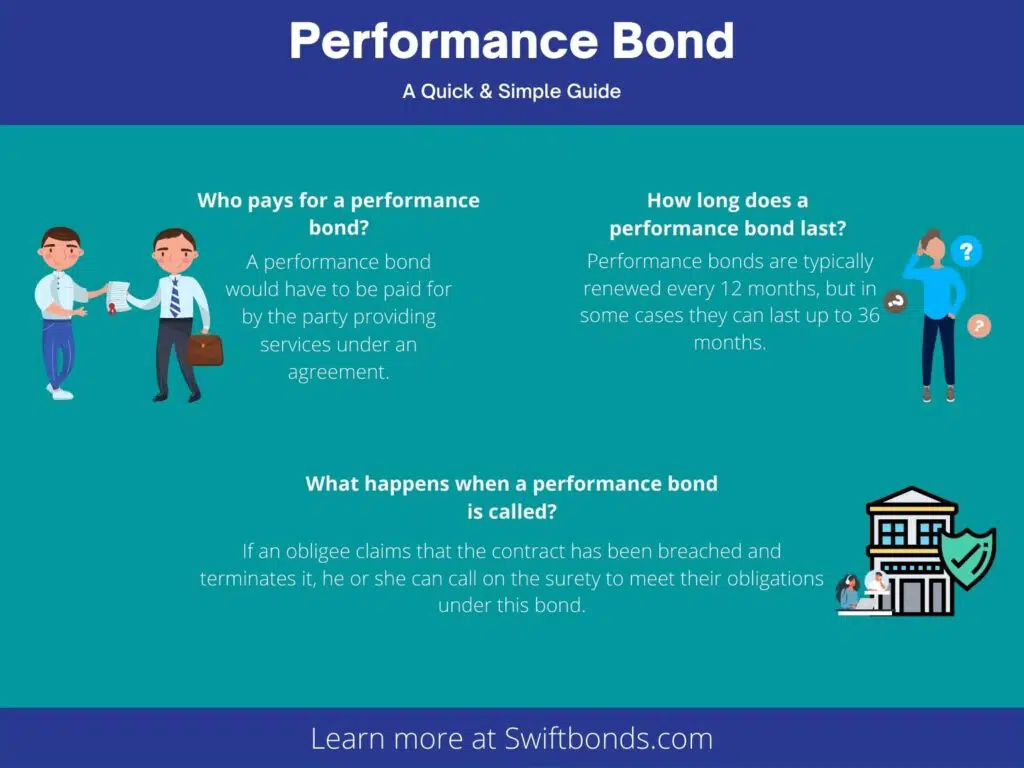
Bonding is another layer of protection that ensures businesses operate ethically and responsibly. It acts as insurance for clients against damages caused by negligence or failure to fulfill contractual obligations.
Why Is Bonding Important for Small Businesses?
For many industries, particularly in construction or home services, bonding is not only beneficial but often required. It provides consumers with confidence that they’re dealing with reputable businesses committed to quality service.
Understanding Fees Associated with Licensing
Licensing fees can vary widely based on profession and location. Here’s how you can manage these costs effectively:
Budgeting for Licensing Expenses
Create a budget that includes all potential fees associated with obtaining and maintaining your occupational license. This may include initial application costs, renewal fees, continuing education expenses, and insurance premiums—like those associated with bonding.
Maintaining Your License: Staying Compliant
One aspect often overlooked is maintaining compliance after obtaining a license:
Continuing Education Requirements
Many professions require ongoing education to ensure practitioners stay current with industry changes. Be proactive about fulfilling these requirements well ahead of deadlines.
Renewal Procedures
Licenses typically need renewal after a set period (often 1-5 years). Familiarize yourself with the renewal process early on so you aren’t caught off guard when it comes time for renewal.
Exploring Different Types of Occupational Licenses
To better navigate licensing requirements in various fields, let’s break down some common types of occupations along with their specific licensing needs:
Healthcare Professions
Doctors- Medical degree from accredited institutions. Residency completion. Pass national board examinations.
- Completion of nursing programs (LPN/RN). Pass NCLEX examination.
- Doctorate in Pharmacy. Complete internship hours. Pass national pharmacy exam.
Construction Trades
Electricians- Apprenticeship completion. Pass state-specific exams.
- Certification from trade schools. Practical experience under licensed plumbers.
- Business registration. Obtain liability insurance and bonding.
Beauty Services
Cosmetologists- Complete accredited cosmetology program. Pass state board examinations.
- Similar requirements as cosmetologists but may have separate exams depending on state laws.
- Complete specialized training programs focusing on skincare techniques before applying for licensure.
FAQs About Occupational Licenses
1. What happens if I operate without an occupational license?
Operating without a license can result in hefty fines, legal penalties, and damage to your professional reputation.
2. How long does it take to obtain an occupational license?
The duration varies widely; some licenses may take weeks while others could take several months depending on the field and complexity involved in obtaining the necessary qualifications.
3. Can I apply for multiple licenses at once?
Yes! However, it’s essential to ensure you meet each requirement adequately before submitting applications simultaneously.
4. Are there different types of licenses within the same profession?
Absolutely! Different specialties within a profession may have varying licensing requirements based on scope of practice or level of expertise required.
5. How do I keep track of my continuing education credits?
Utilize organizational tools such as spreadsheets or dedicated software apps designed specifically for tracking educational progress over time!
6. Can bonding costs be included in my business expenses?
Yes! Bonding costs are generally considered legitimate business expenses that can be deducted on tax returns—check local regulations regarding specifics!
Conclusion
Navigating occupational licenses doesn’t have to feel like an uphill battle if approached methodically with proper planning! Remember this comprehensive guide as you embark upon securing the necessary credentials vital for thriving successfully within your chosen field while ensuring compliance every step along the way—including understanding both “license” and “bonding” aspects integral towards achieving overall stability within small business ventures! By doing so not only will you safeguard yourself against potential pitfalls—but also build trust among consumers who depend upon qualified professionals delivering quality services day-in-and-out!
Whether you're entering healthcare or launching into beauty services—be diligent about researching regulatory bodies overseeing licensure pertinent toward achieving success throughout each stage along this journey! Happy navigating!