Introduction
When you engage with contractors for construction projects, you're not just investing time and resources; you’re placing trust in them to deliver quality work. Unfortunately, not all contractors live up to their obligations. This brings us to an important financial instrument designed to protect project owners: the surety bond. It's crucial to understand what happens when a contractor defaults on a surety bond, as this can significantly impact both the contractor and the project owner.
In this article, we'll delve into the complexities surrounding surety bonds for contractors. We will explore the implications of defaulting on these bonds, the processes involved when such defaults occur, and practical advice for stakeholders facing these challenging situations. By the end of this comprehensive guide, you should have a robust understanding of how surety bonds function and what steps can be taken when a contractor fails to fulfill their obligations.
Understanding Surety Bonds
What Are Surety Bonds?
Surety bonds are legally binding contracts that ensure project completion or compliance with contractual obligations. They involve three parties:
The Principal: The contractor who is required to perform the work. The Obligee: The entity requiring the bond (usually a project owner). The Surety: The company that issues the bond and guarantees payment if the principal defaults.By providing this assurance, surety bonds protect against losses incurred due to non-performance by the contractor.
Types of Surety Bonds
Understanding different types of surety bonds is essential for grasping their role in construction projects:
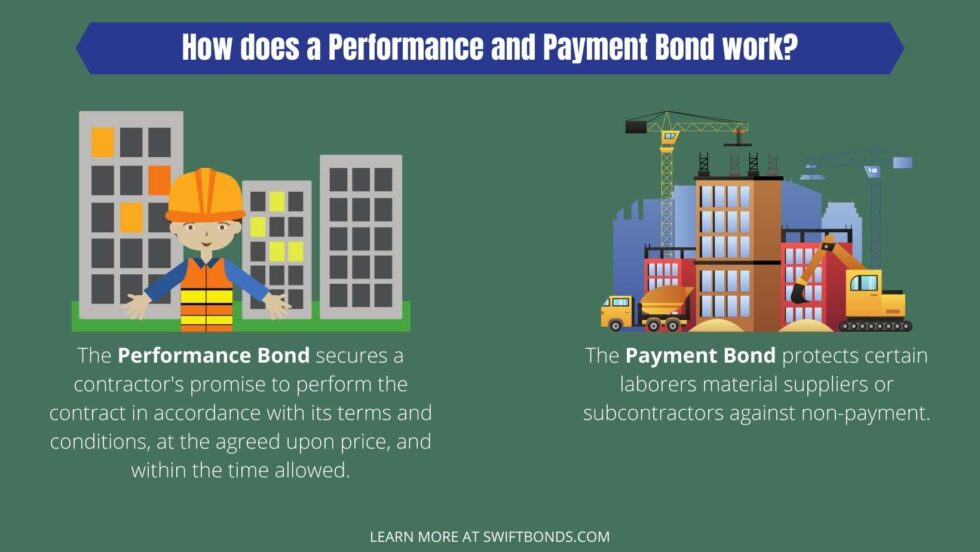
- Performance Bonds: Ensure that a contractor completes a project according to contract specifications. Payment Bonds: Guarantee that subcontractors and suppliers are paid. Bid Bonds: Protect against financial loss if a contractor fails to enter into a contract after winning a bid.
The Role of Surety Bonds in Construction Projects
Why Are Surety Bonds Required?
Surety bonds serve as safeguards for project owners, ensuring that their interests are protected throughout the construction process. Many jurisdictions require contractors to obtain these bonds before commencing work, making them an integral part of contract law in construction.
Benefits of Surety Bonds for Contractors
For contractors, obtaining surety bonds can offer several advantages:
- Enhanced credibility with clients Access to larger projects Improved cash flow management through risk mitigation
What Happens When a Contractor Defaults on a Surety Bond?
When a contractor defaults on their obligations under a surety bond, it triggers specific legal and financial consequences:
Notice of Default: The obligee typically must provide formal notice declaring that default has occurred. Claim Submission: Once notified, the obligee can file a claim against the surety bond. Investigation by Surety: The surety company will investigate claims to determine validity. Resolution Options: Depending on findings, resolution may involve completing the project through another contractor or compensating for financial losses.It’s critical for both contractors and project owners to understand these steps as they navigate potential disputes over performance failures.
Implications of Defaulting on a Surety Bond
Consequences for Contractors
Defaulting on a surety bond can lead to severe repercussions for contractors:
- Damage to Reputation: A default may tarnish relationships with clients and future opportunities. Financial Liability: Contractors may face lawsuits or claims that can have long-term financial impacts. Increased Difficulty in Obtaining Future Bonds: Insurers might view previous defaults unfavorably when evaluating new bonding requests.
Impacts on Project Owners
For project owners, the consequences can be equally significant:
- Project Delays: Finding alternative contractors can prolong timelines. Financial Strain: Owners may incur additional costs associated with delays or hiring new professionals. Legal Challenges: Disputes over defaults often lead to complicated legal processes that require time and resources.
Steps Taken After Defaulting on a Surety Bond
Filing Claims Against Surety Bonds
If you're faced with contractor default, filing a claim against their surety bond is your first step toward recovery:
Gather Documentation: Collect all relevant documents related to your contract and communications with the contractor. Review Your Contract: Understand your rights regarding performance expectations and remedies available in case of default. Notify the Surety Company: Formally inform them about your intent to file a claim—this usually requires filling out specific forms provided by the surety company.Investigation Process by Sureties
Once you've submitted your claim, here's what generally happens next:
Claim Acknowledgment: The surety will acknowledge receipt of your claim within set timeframes. Investigation Commences: They will conduct inquiries into both parties' actions during contract execution. Findings Reported: You’ll receive communication detailing whether your claim is valid or denied based on their review process.Common Reasons Contractors Default on Surety Bonds
Understanding why contractors might default helps you mitigate risks:
Financial Mismanagement
Poor budget planning or unexpected costs can lead contractors into financial turmoil, resulting in default.
Lack of Experience
Inexperienced contractors may underestimate project complexities or fail at managing timelines effectively.
External Factors
Unforeseen events like natural disasters or supply chain disruptions can also contribute significantly toward defaults occurring unexpectedly.
Preventative Measures Against Contractor Default
Planning ahead is key in minimizing risks related to contractor defaults:
Thorough Contractor Vetting Process
Research potential contractors thoroughly before hiring—check references, past performance records, and financial stability indicators closely!
Regular Communication
Maintain open lines of communication throughout your project's duration—this reduces misunderstandings while allowing quick response strategies if issues arise!
Contract Clarity
Ensure contracts are clear about expectations—define terms around performance metrics clearly so there’s no ambiguity about responsibilities!
FAQ Section
1. What does it mean when a contractor defaults on their surety bond?
A contractor's default occurs when they fail to fulfill their contractual obligations, prompting claims against their bonded agreement for compensation by affected parties such as project owners.
2. How do I know if my contractor has defaulted?
Indicators include missed deadlines without communication from them regarding status updates; failure/refusal to complete agreed-upon tasks; or lack providing progress reports despite multiple requests made by stakeholders involved in overseeing work performed under existing agreements signed previously between both parties prior starting jobs together collaboratively!
3. What are my options if my contractor defaults?
You may file claims against their sureties seeking compensation; engage another party capable taking over unfinished works required complete projects within specified timelines outlined originally beforehand—and potentially pursue legal recourse depending circumstances surrounding overall situation encountered here today at hand currently facing challenges posed previously discussed earlier above!
4. Can I get reimbursed if my contractor defaults?
Yes! If you’ve successfully filed an appropriate claim backed up with supporting documentation proving losses incurred due inability fulfill contractual obligations expected originally stated—your chances receiving compensation increase significantly once investigations conclude favorably confirming legitimacy surrounding claims made during process undertaken afterwards right now too!
5. Will I lose money if my contractor defaults?
While it’s possible you might incur some losses due delays caused because finding replacements takes time—many insurance policies provide coverage aiming mitigate risks associated arising directly from unforeseen circumstances such those discussed throughout this article today! Therefore always look carefully reviewing existing arrangements made before engaging anyone else what is a performance bond afterward moving forward thereafter again soon later thereafter altogether now…
6. How long do I have to file a claim after default?
This varies by state laws governing contracts but generally falls within specific timeframes ranging anywhere between six months up two years depending upon jurisdictional regulations enforced locally where incidents occurred recently nearby recently experienced ongoing challenges faced together presently here today now onward thereafter continually progressing forward productively still moving ahead positively evermore onward steadily onward ahead perpetually moving ahead smoothly onwards consistently evermore towards brighter futures filled unlimited possibilities everywhere imaginable constantly emerging from depths despair previously endured collectively here together united forever stronger always stronger united whole immensely powerful greater good arising naturally from ashes originating long ago lost hope rediscovered recently gained through hard work determination perseverance courage strength fortitude unwavering resolve…
Conclusion
Navigating what happens when a contractor defaults on a surety bond requires knowledge about both legal ramifications and practical steps that individuals should take following such events transpiring unexpectedly! Understanding how these instruments function aids stakeholders involved immensely while ensuring all parties protect interests too effectively throughout entire processes outlined within industry standards best practices employed regularly across various sectors involved construction trades actively engaged today still continuously evolving adapting needs changing realities encountered daily now onward moving forward positively towards ultimate success achievable together collaboratively fostering relationships built trust mutual respect synergy growth development enhanced capabilities flourishing communities thriving harmoniously forevermore beneficially flourishing lives empowering those around us continuously improving enhancing quality life widely shared experiences valued richly treasured deeply appreciated entirely thanks everyone working diligently tirelessly striving excellence every single day continuously pushing boundaries redefining possibilities everywhere we go always reaching higher heights aspiring greatness achieving dreams realizing visions transforming aspirations reality right before eyes watching unfold beautifully gracefully effortlessly becoming true tangible experiences cherished fondly lasting memories created along way together journey taken hand-in-hand side-by-side collaboratively united purposefully determinedly resolutely forging paths unknown exploring uncharted territories expanding horizons embracing challenges wholeheartedly welcoming opportunities learning lessons enriching lives paving ways toward brighter tomorrows filled endless potential limitless possibilities awaiting discovery awaiting exploration awaiting adventure calling forth each one brave enough hear call respond courageously unabashedly daring boldly embracing whatever comes next unprepared prepared anything everything simultaneously ready willing able face anything thrown way confidently assured equipped tools resources needed succeed thrive grow flourish blossom beautifully become best versions selves possible endlessly evolving journey unfolds before us waiting patiently unfolding wondrous tales yet told inspiring future generations follow footsteps treaded paths forged pave way brighter tomorrow filled hope promise prosperity peace harmony joy possibilities infinite endless everlasting everlasting forevermore…